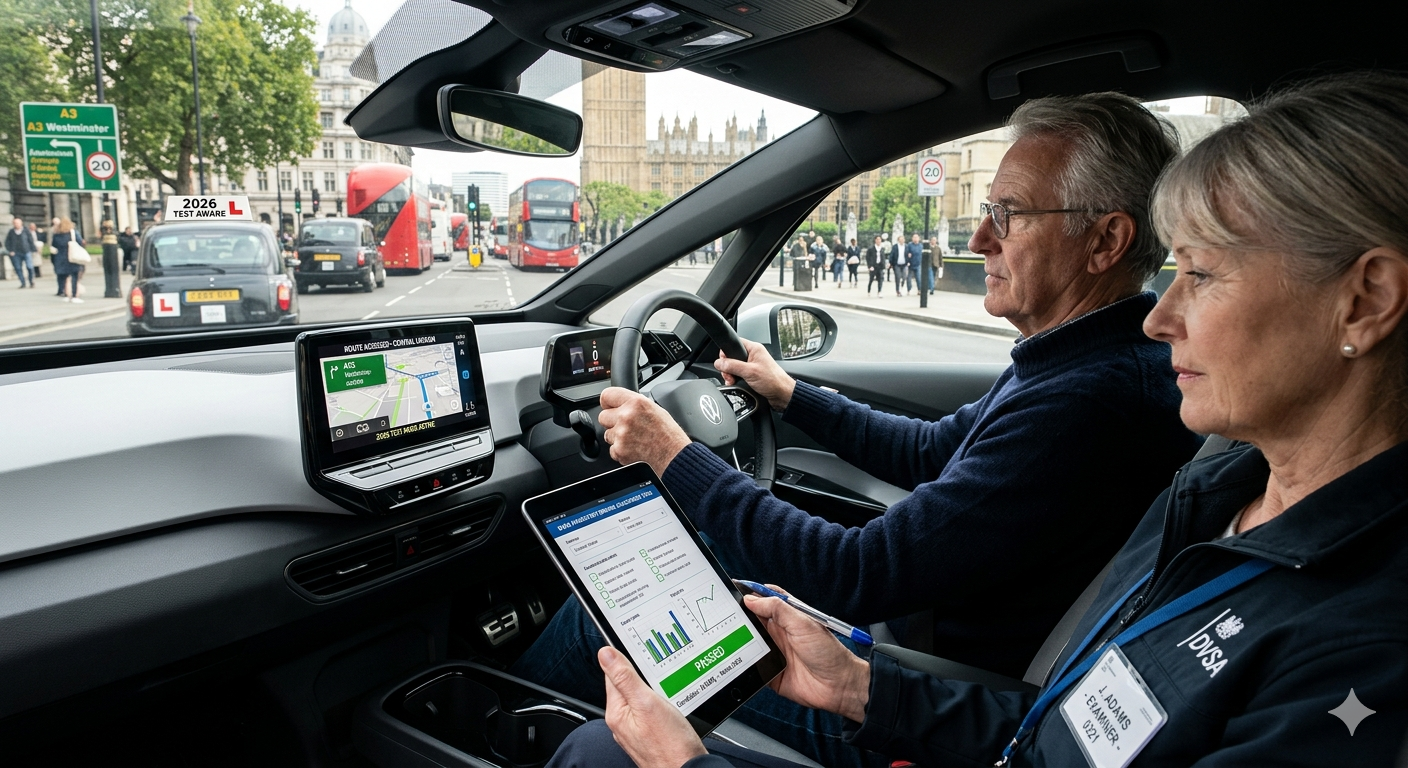
Hello friends, The landscape of road safety in the United Kingdom is standing on the brink of a major transformation. As the Department for Transport (DfT) continues to evaluate the safety standards on British roads, new proposals suggest that 2026 could bring a monumental shift for senior motorists. The core of the discussion revolves around a mandatory driving assessment for those over the age of 65—a move designed to balance the independence of older citizens with the collective safety of all road users.
For decades, the UK has operated on a system of trust and self-certification. However, as vehicle technology evolves and road congestion reaches an all-time high, the government is looking to modernise the rules. If you or a loved one are approaching this milestone age, understanding these changes is not just about compliance; it is about ensuring a future of safe and confident motoring.
The Shift from Self-Certification to Mandatory Assessment
Currently, the UK’s driving licence renewal process is relatively straightforward for seniors. Upon reaching the age of 70, drivers must renew their licence every three years. This process is largely administrative, requiring the driver to declare they are fit to drive and meet the minimum eyesight requirements.
The proposed 2026 update seeks to lower this threshold to 65 years and introduce a more proactive ‘fitness to drive’ check. This shift reflects a growing consensus among road safety experts that proactive identification of physical or cognitive decline is more effective than reactive measures taken after an incident has occurred.
What Does the 2026 Assessment Entail?
The most common fear among senior drivers is the idea of “failing a test” and losing their independence overnight. It is crucial to clarify that the 2026 proposals do not describe a traditional, high-pressure driving test. Instead, it is being framed as a “light-touch” competency check.
1. Hazard Perception and Reaction Times
As we age, our cognitive processing speed naturally slows. The new assessment will likely use modern technology to test how quickly a driver can identify a potential hazard—such as a pedestrian stepping out or a sudden braking vehicle—and react appropriately.
2. Physical Fitness and Mobility
Driving requires a certain level of physical flexibility to check blind spots and operate vehicle controls comfortably. The assessment will ensure that any age-related stiffness or mobility issues do not compromise the driver’s ability to handle the car safely.
3. Understanding Modern Road Infrastructure
British roads have changed significantly with the introduction of smart motorways and complex multi-lane roundabouts. The assessment ensures that senior drivers remain confident in navigating these modern layouts.
Why 65? The Data Behind the Decision
The decision to target age 65 for the new assessments is not arbitrary. Road safety data suggests that while experienced drivers are often the most cautious, the risk of “fault-based” accidents begins to rise incrementally after 65 due to vision and reaction changes.
By introducing checks at 65, the DfT aims to provide a “safety net”. This allows for early intervention, where a driver might be advised to wear a new prescription of glasses or take a short refresher course, rather than waiting until a more serious decline occurs at age 70 or 75.
Expert Tips: How to Prepare and Maintain Your Licence
Preparation is the best way to combat the anxiety surrounding these new rules. Staying proactive can ensure that you meet and exceed the 2026 standards.
- Regular Vision and Hearing Tests: Do not wait for the mandatory assessment. Ensure your prescriptions are up to date annually.
- Take a Voluntary Refresher Course: Organisations like IAM RoadSmart or RoSPA offer ‘Mature Driver’ reviews. These are non-judgemental and help you identify and fix bad habits.
- Stay Active: General physical health directly impacts driving ability. Staying active helps maintain the neck and shoulder flexibility needed for checking mirrors and blind spots.
- Embrace Vehicle Technology: Modern cars are equipped with ADAS (Advanced Driver Assistance Systems). Learning how to use parking sensors and lane-keeping assistants can significantly reduce the cognitive load while driving.
The Role of Medical Professionals in the New Framework
Under the 2026 rules, GPs and opticians may play a more integrated role in the licensing process. Instead of the driver simply telling the DVLA they are healthy, there may be a requirement for a verified medical sign-off. This ensures that conditions like early-stage dementia or cardiovascular issues are managed in the context of driving safety.
Frequently Asked Questions (FAQ)
Q: Will the 2026 assessment cost money?
A: While the exact fee hasn’t been finalised, it is expected that there will be a nominal charge to cover the cost of the professional assessor.
Q: Can I lose my licence immediately?
A: The goal is support, not exclusion. In many cases, if a driver fails to meet a specific standard, they are offered remedial training or a “restricted licence” (e.g., restricted to a certain radius from home or daylight hours).
Q: Does this apply to disabled drivers?
A: Yes, the rules apply to all, but the Motability Scheme and other support systems will continue to help disabled drivers find adapted vehicles that make passing the assessment easier.
Q: Is this rule the same in Scotland and Wales?
A: Yes, road safety and licensing are generally handled at the UK-wide level by the DVLA, ensuring consistency across Great Britain.
Conclusion: A Safer Future for All
The proposed 2026 UK driving test for those over 65 is a significant step toward a more responsible and safer motoring environment. While change can be uncomfortable, it is important to view these assessments as a tool for empowerment. By ensuring that every driver on the road—regardless of age—is competent and physically capable, we can reduce road fatalities and ensure that senior citizens can enjoy their independence for as long as possible.
Staying informed and being proactive about your driving health is the best way to navigate these upcoming changes. The road ahead is changing, but with the right preparation, you can continue your journey with confidence.